
Why Your Water Bill is High, But Your Plants are Still Thirsty
If you’ve ever seen water from an irrigation system collect in pools or flow into a channel while plants around it look wilted and dry, there’s likely a deeper (and possibly expensive) problem: overly compacted soil.
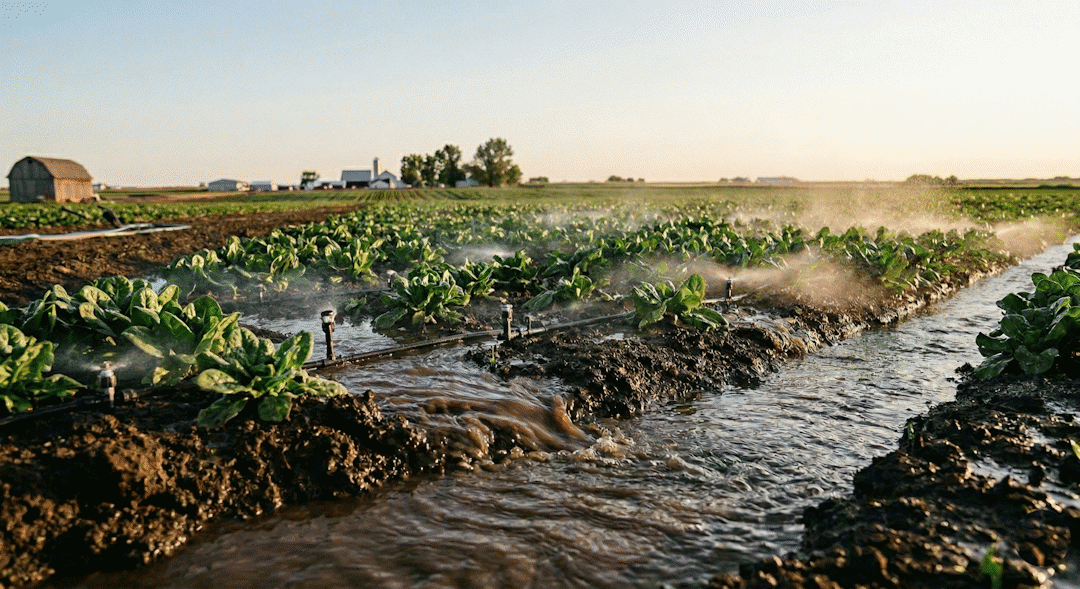
On the other hand, water poured over a brick just runs off. This creates a harmful cycle: stressed plants wilt and yellow, which looks like drought, so owners give them even more water, leading to further root damage, wasted water, and dry looking plants.
That cycle hides waste and drives costs: water, fertilizer, maintenance costs all go up - plant quality and yields come down.
Plants tend to need looser soil to grow deep and wide root systems. Plant roots in overly compacted soil are forced to stay shallow - they cannot grow properly, and rely on surface moisture.
Knowing what to fix is the Hard Part
Seeing the Invisible with Data
Technologies like SoiLiNQ help remove the guesswork by collecting and analyzing continuous data, revealing what’s happening in the soil.
The Bottom Line
Soil health is drastically improved by combining physical soil management (like aeration) with the intelligence of soil moisture monitoring. Stop paying for water flowing off your crops and start irrigating with precision, reducing energy costs, and ensuring that every drop ends up where it needs to be: at the root zone.
Click here to learn about ways to reduce soil compaction: University of Delaware