
Over-Fertilization: The Hidden Cost of Fertilizer Runoff for Farms, Landscapes, and Cities
Why Over-Fertilizing Happens
Applying fertilizers to get better results seems like a no-brainer.
Farmers, Landscapers, and City Managers alike look to fertilizers to meet aesthetic demands and maximize growth. But over-application creates an invisible problem: The extra fertilizer gets carried into our water supply by rainfall and irrigation.
Effects We Do and Don't See
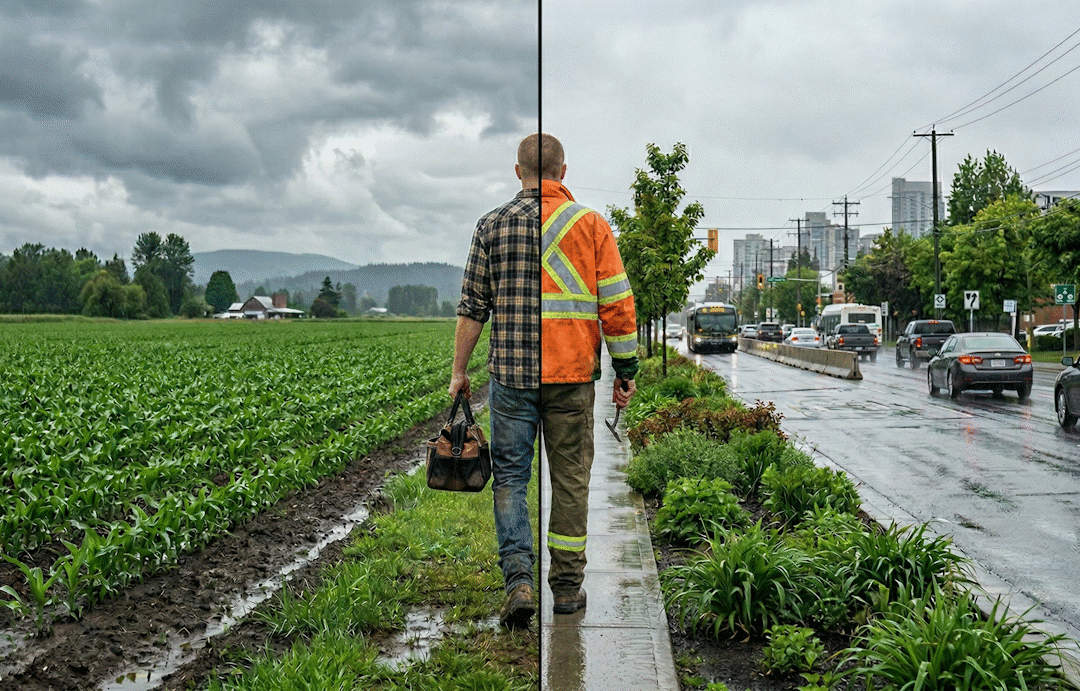
Fertilizer runoff is hard to detect because it builds slowly, meaning it usually escapes notice until it’s already large, time consuming, and expensive to clean up.
We pay the costs on both sides:
1. Inefficient fertilizer usage (costs on the way in)
Precise Resource Management Matters
The underlying issue is a lack of visibility into whether soil nutrients are at optimal levels or excessive amounts have been applied. Creating that visibility can minimize or remove many of these issues. This is just one benefit of data-driven green management, using environmental sensors to reduce water waste and over-fertilization, making human efforts more effective.
Farmers are starting to use this technology to monitor changes in soil conditions, watering and applying inputs (like water and nutrients) only when necessary. This results in reduced runoff, healthier crops, and lowered costs.
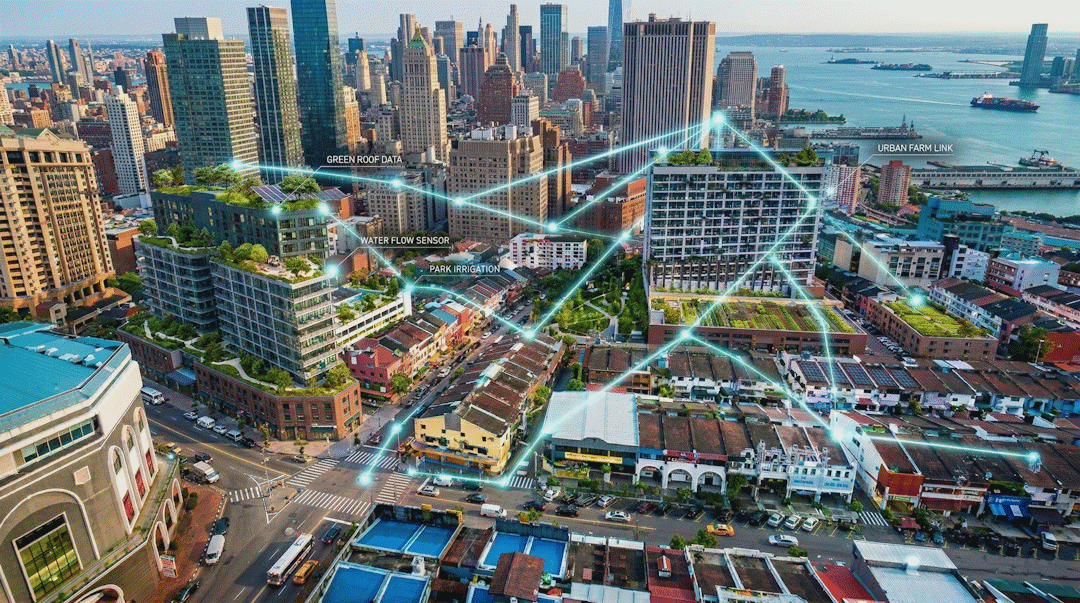
These same ideas could easily be applied directly to cities and landscapes. By integrating sensor networks into city parks, street landscaping (like medians), and other green infrastructure city managers can gain visibility into what's happening beneath the surface.
Easily available continuous data would transform urban landscaping and green space management from a guessing game into an evidence-based practice.
It would improve city-wide maintenance practices, and give municipalities a powerful tool to reduce pollution - all without sacrificing the beauty and function of urban green spaces.
From Farms to Cities: A Connected Solution
Ultimately, it won't just be data and visibility that make these issues manageable at scale. We need connected systems that can work closely with human beings to help us manage all of our resources, including our time, better.
Ginkgo is trying to imagine what that world would look like and make it real.
That's the path we've put ourselves on at SoiLiNQ.