
Too hot, for too long?
It's worse for your health than you might realize.
Maintaining cooler urban temperatures is essential for protecting the public
from high energy costs, poor air quality, and heat-related illness.
Why Cities Are Getting Hotter
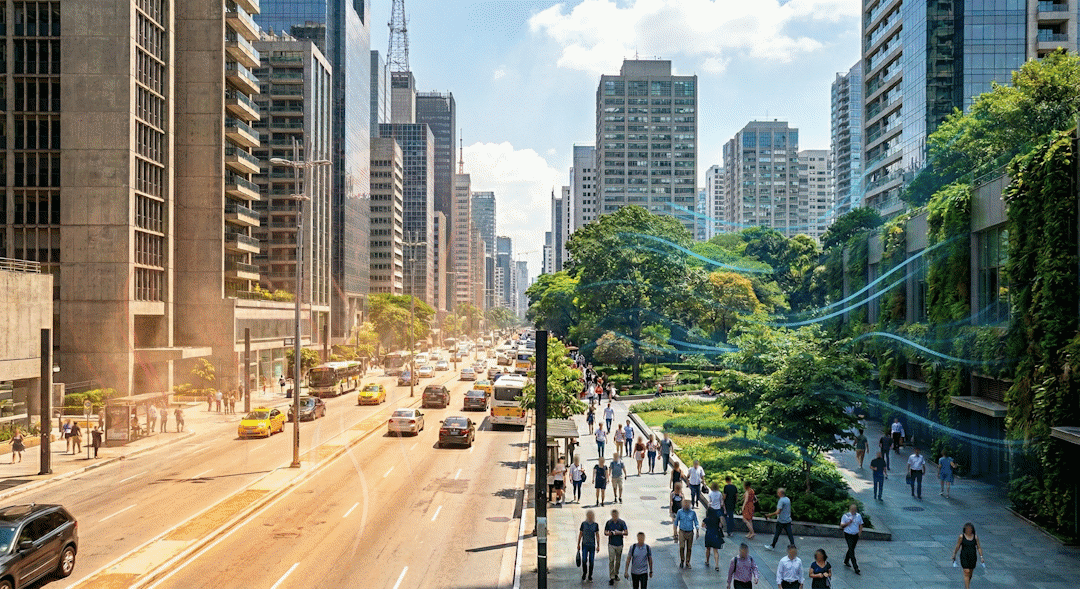
As population density rises, so does the concentration of heat generated by buildings, vehicles, and human activity.
By 2050, 68% of the global population is expected to live in urban areas by 2050, meaning that more than 2/3rds of the heat we generate will come from concentrated areas - “Urban Heat Islands” (UHI).
The Science: Why Concrete Traps Warmth
Cool Cities cost less than Hot Cities
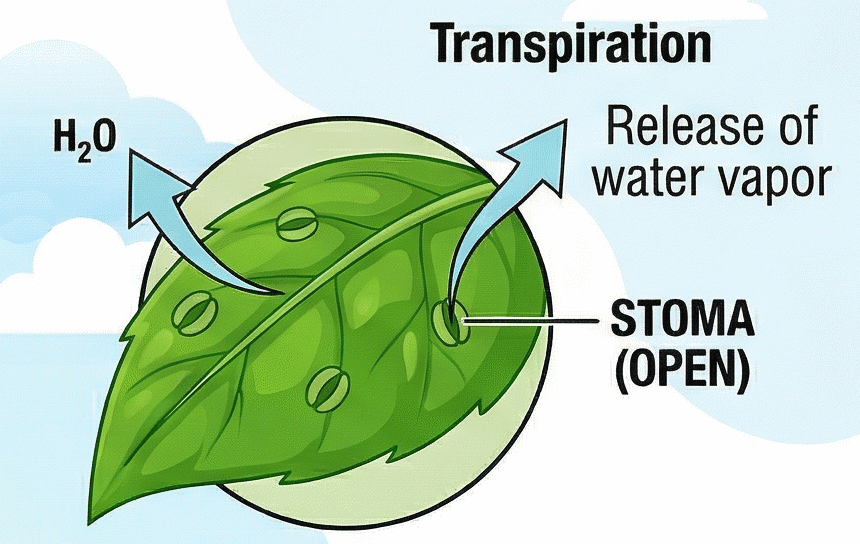
One of the most effective ways to combat UHI is through 'green infrastructure.' Soils and plants play a critical role, helping reverse the effects of UHIs by acting as natural air conditioners, and air filters:
- They capture and filter out harmful air pollution
- They cool us off by releasing water vapor from the pores in their leaves
- They absorb solar radiation, and provide shade
Bottom line: We breathe easier, and spend less on air conditioning.
Economic & Health Impacts
The UHI effect isn't just a comfort issue or environmental hurdle - they're a drain on city and provincial budgets.
UHI's increase cooling demands and energy costs. The unending heat they create directly contributes to respiratory issues and heat-related illnesses among vulnerable populations.
Challenges in Maintaining Urban Green Spaces
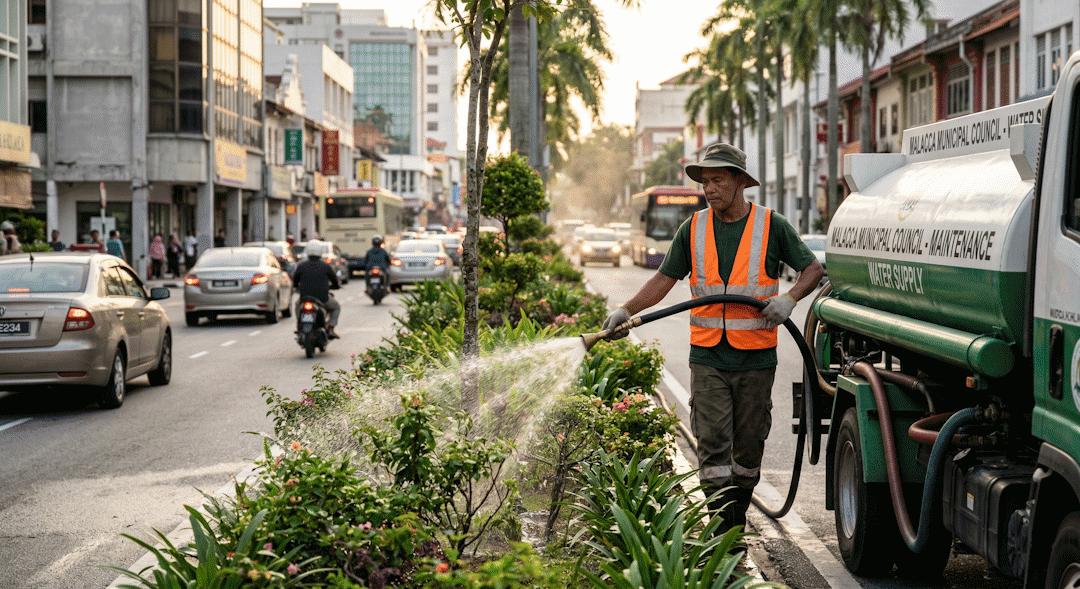
Urban Green Spaces are amazingly effective at counteracting UHIs, but they don't come cheap. Green spaces need water, human labour, fertilizer, and more to keep them functioning. These needs often outpace available resources - they wither, die, and must be replaced at even greater expense.
Protecting ROI with Climate Intelligence
Continuous soil monitoring makes keeping Green Spaces alive and functioning much cheaper and easier. When municipal managers know where water, fertilizer, and other labour is needed, resources aren't wasted.
SoiLiNQ is here to help: SoiLiNQ helps managers optimize water usage, reduce manual workload, and ensure that urban greenery remains healthy, even when money is tight.
That directly translates to cooler, healthier living for us all.
Ultimately, urban green spaces are more than just aesthetic additions - they are essential infrastructure for sustainable cities. By combining nature-based solutions with smart technologies, cities can better combat rising temperatures, improve public health, and create more resilient communities. As urban populations continue to grow, investing in the health and maintenance of green spaces will be key to ensuring that cities remain not only functional, but also liveable for future generations.
Sources
https://www.sciencedirect.com/referencework/9780121764807/encyclopedia-of-energy
https://www.frontiersin.org/journals/public-health/articles/10.3389/fpubh.2022.870403/full
https://www.nhm.ac.uk/discover/why-we-need-green-spaces-in-cities.html